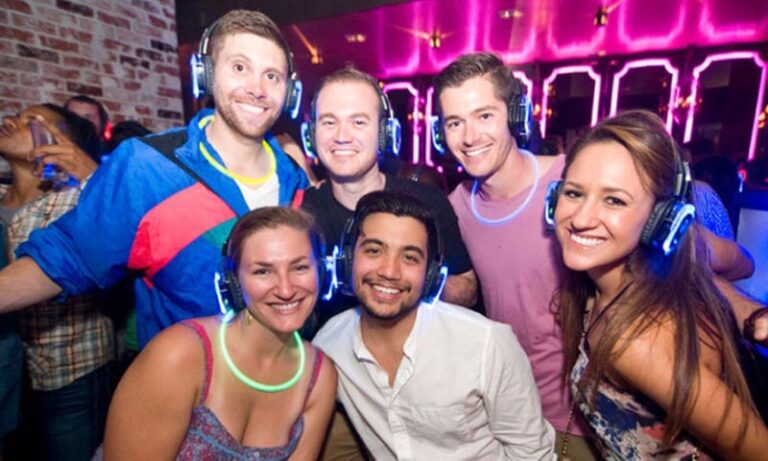
Silent discos have taken the world of live events by storm. With the promise of an immersive, customizable music experience, they offer a refreshing twist on traditional parties and festivals. But beyond just being a fun and unique way to enjoy music, silent discos also hold incredible potential for inclusivity—a space where everyone, regardless of sensory sensitivities or neurodivergent needs, can find a comfortable, enjoyable atmosphere to connect with others and express themselves.
In this blog, we’ll explore how silent discos can be made more inclusive and accessible, especially for individuals who may be sensitive to sensory overload or are neurodivergent. By creating environments where people feel safe, supported, and free to enjoy music on their own terms, silent discos can become spaces that empower everyone to join in on the fun.
1. Consider Sensory Overload: Silent Discos as a Haven for Sensory-Sensitive Individuals
Sensory overload—a condition where the brain becomes overwhelmed by excessive sensory input—can be a significant barrier for many people when attending live events, especially for those with conditions like sensory processing disorder (SPD) or autism spectrum disorder (ASD). The blaring music, flashing lights, and large crowds can be overwhelming, triggering anxiety or discomfort for those who experience heightened sensory sensitivities.
Silent discos, however, offer a sanctuary for these individuals, as they allow people to control their audio environment by wearing wireless headphones. With the ability to choose the volume of the music and switch channels, attendees are empowered to create an audio experience that feels comfortable to them. This control is especially important for those who may be sensitive to loud noises or particular frequencies.
Why Silent Discos Are Perfect for Those Sensitive to Sensory Overload:
- Volume Control: Traditional live music events often have sound levels that are way too loud for people sensitive to noise. In a silent disco, people can adjust the volume on their headphones to a comfortable level or even turn it off entirely if they need a break.
- No Overwhelming Environmental Noise: With no speakers blasting in every direction, a silent disco provides a quieter environment, which reduces the chance of overstimulation. This makes it easier for individuals to focus on the music they enjoy, without the stress of outside noise.
- Flexible Audio Choices: Many attendees in silent discos can switch between different music channels. Someone might prefer to tune into a soft ambient mix, while others enjoy a high-energy dance set. This level of customization means everyone has the freedom to choose the kind of sound environment that works best for them.
- Reduced Flashing Lights and Visual Stimulation: Traditional concerts or club events are often accompanied by intense light shows or strobe lights, which can be a trigger for sensory overload. In silent discos, event organizers can opt for softer, non-intrusive lighting or even allow attendees to wear sunglasses or sensory-friendly eyewear, reducing visual distractions.
2. Consider the Needs of Neurodivergent People
For neurodivergent individuals, including those with autism spectrum disorder (ASD), ADHD, or sensory processing disorder (SPD), traditional social events can present significant challenges. The unpredictability of crowd behavior, the overstimulation of loud noises, and the complexity of social interactions often make it difficult for them to fully engage or enjoy the experience.
Silent discos offer a more predictable and manageable environment. By addressing specific sensory and social needs, silent discos can create a more inclusive space for people on the neurodivergent spectrum.
How Silent Discos Support Neurodivergent People:
- Reduced Social Anxiety: The social dynamics of crowded spaces can be challenging for those with neurodivergent conditions. At a silent disco, the focus shifts to individual experiences—people can enjoy the music without the pressure of following group behaviors. The headphones also act as a “personal bubble”, giving attendees the freedom to interact or not, according to their comfort level.
- Less Overwhelming Social Cues: In a typical live music event, the loud music and energetic crowd can make it hard to pick up on social cues or even have a conversation. Silent discos provide a more relaxed social setting where attendees can enjoy the music at their own pace and engage with others without the stress of trying to communicate over loud sounds.
- Choice and Control: For many neurodivergent individuals, having control over their environment is key to feeling comfortable. Silent discos empower attendees by allowing them to choose the music they want to hear and control the volume to their preference. This level of control can help prevent feelings of overwhelm and make the experience more enjoyable.
- No Need for Forced Participation: For individuals on the autism spectrum or with ADHD, large crowds or high-energy events may feel like a pressure to engage in certain behaviors. At a silent disco, there’s no need to conform to a certain type of dancing or behavior. People are free to experience the event in their own way—whether that’s dancing, standing quietly, or simply enjoying the music.
3. How to Make Silent Discos More Inclusive
While silent discos already provide an inherently more accessible and adaptable experience, there are additional steps you can take as an event organizer to further ensure that your event is inclusive for neurodivergent people and those with sensory sensitivities. Here are some practical tips:
a. Provide Clear Event Information
Transparency is key for neurodivergent individuals and people with sensory sensitivities. Provide clear, detailed information ahead of time about what to expect at the event:
- Will there be bright flashing lights?
- Are there quiet areas available for breaks?
- What type of music will be played on the various channels?
- Is there an option for people to set their own audio volume?
This allows potential attendees to decide if the event will be comfortable for them, which fosters a sense of security and ease.
b. Designate Sensory-Friendly Zones
Create areas where individuals who are sensitive to sensory overload can take a break. These sensory-friendly zones could be quiet spaces with soft lighting, low noise, and comfortable seating. Allow attendees to retreat to these areas when they need a break from the music or crowd, making the experience less overwhelming.
c. Offer Comfortable and Adaptive Headphones
Some individuals may require specialized headphones for sensory reasons—such as headphones with noise-canceling capabilities or those with a more comfortable fit. Offering a range of adaptive audio devices can ensure that everyone has the equipment they need to enjoy the event comfortably. Additionally, providing clear instructions on how to adjust the volume and switch between music channels ensures that attendees are empowered to take control of their experience.
d. Be Mindful of Lighting and Visuals
Flashing lights and strobe effects can be overwhelming for many neurodivergent individuals. Consider offering a no-flash, low-light environment or providing glow-in-the-dark accessories to create a safer, calmer atmosphere. If you’re planning a light show, clearly communicate to attendees whether flashing lights will be used so they can plan accordingly.
e. Create a Welcoming, Judgment-Free Atmosphere
An inclusive silent disco isn’t just about accessibility; it’s about creating a safe, supportive community. Encourage an atmosphere of acceptance and understanding where people feel comfortable being themselves, regardless of how they choose to engage with the event. Promote inclusivity through social media and event materials, and ensure staff members are trained to be understanding and accommodating to neurodivergent attendees.
4. The Impact of Inclusive Silent Discos
By making silent discos more inclusive, you’re not just opening the door to a wider audience—you’re also fostering a community where people can enjoy music in a way that meets their unique needs. For those who may find traditional live events overwhelming, a silent disco becomes an empowering experience—a chance to control their sensory environment, engage with others at their own pace, and feel truly part of the music.
The rise of inclusive silent discos demonstrates that we can create more accessible, enjoyable experiences for everyone—especially for those who often feel left out of the mainstream music scene. By being mindful of sensory needs and offering neurodivergent-friendly environments, we can help make every silent disco a safe, celebratory space for all.
Conclusion: Redefining Inclusivity in Live Music Events
Silent discos are already a game-changer when it comes to creating personalized, sensory-friendly experiences, but with intentional planning and thoughtful accommodations, they can be even more inclusive. Whether you’re organizing your first silent disco or looking to make your next event more welcoming, consider the needs of those who are sensitive to sensory overload or who have neurodivergent needs. By doing so, you create a space where everyone can experience the joy of music without compromise, ensuring that no one is left behind.
Inclusivity in silent discos isn’t just possible—it’s essential for making music accessible to all.